Solutions · By chemistry
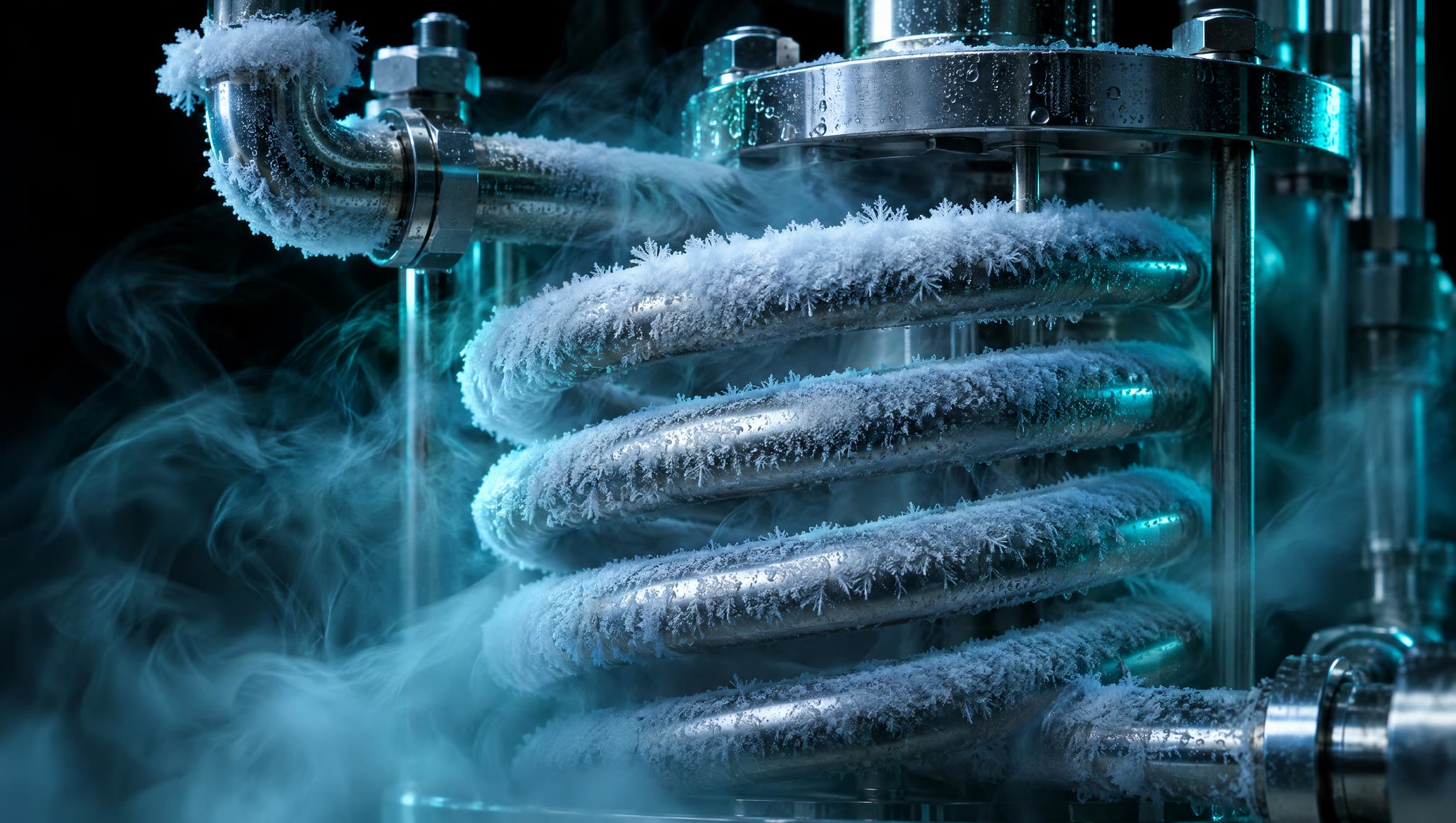
Some intermediates cannot be held. In batch they are kept very cold and handled slowly. In flow they can be made and consumed within a controlled residence time.
When an intermediate is unstable, time is the hazard. Flow sets the time between generation and use precisely, with rapid mixing and an integrated quench or follow-on step.
Read the detailHide the detail
Short residence times and efficient heat removal can make a reaction workable at a less extreme temperature than batch requires. Whether that holds for a given chemistry is an experimental question, answered at laboratory scale before any equipment is specified.
The pain
What cold chemistry costs.
- 01Deep cryogenic conditions that are costly to scale
- 02Intermediates that degrade during a hold or transfer
- 03Selectivity that depends on mixing
- 04Slow additions and long cycle times
- 05Quench exotherms
The approach
Design around the lifetime.
- 01
Define the lifetime
How long the intermediate survives, and at what temperature, sets the design.
- 02
Fix mixing and residence time
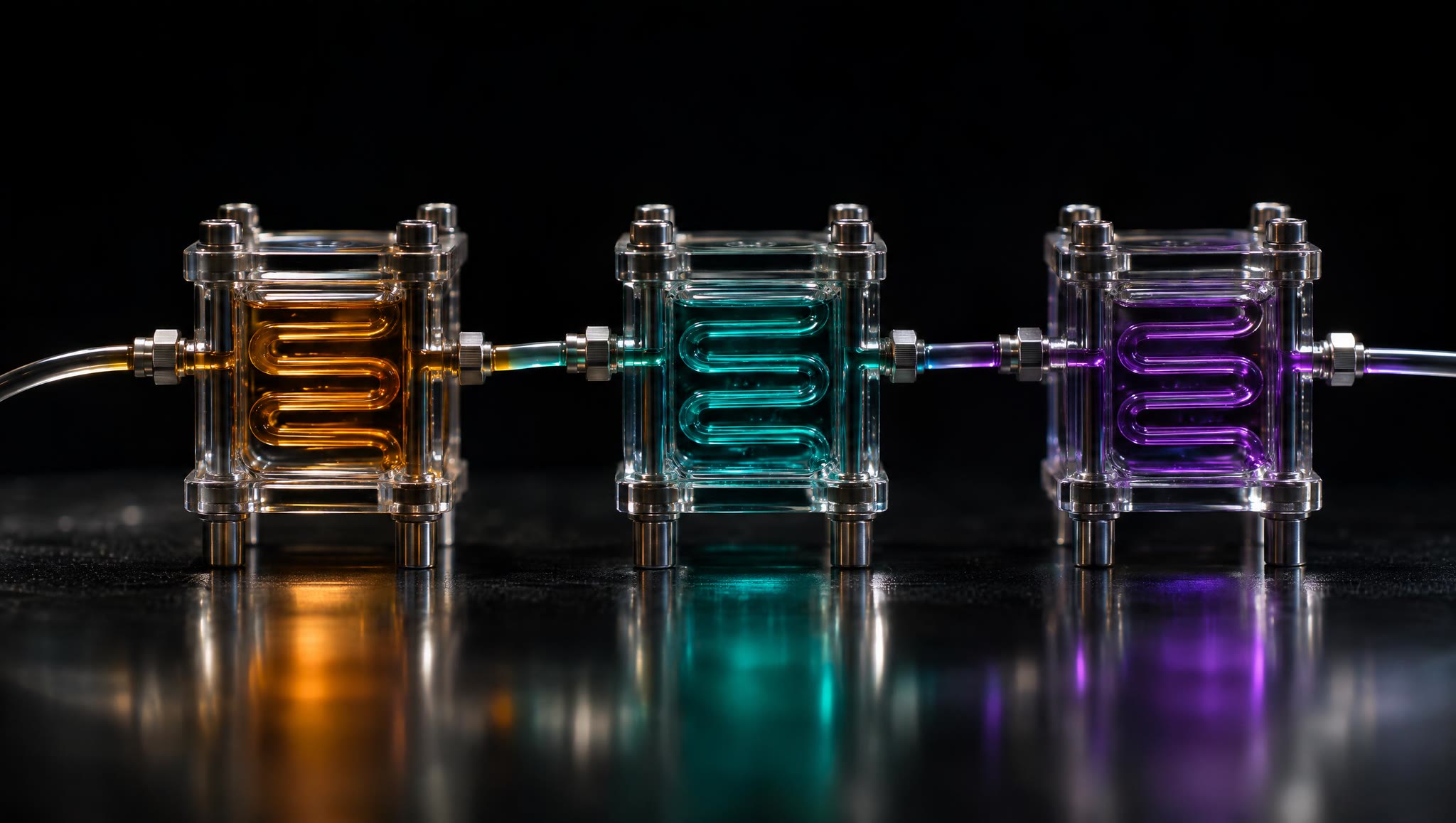
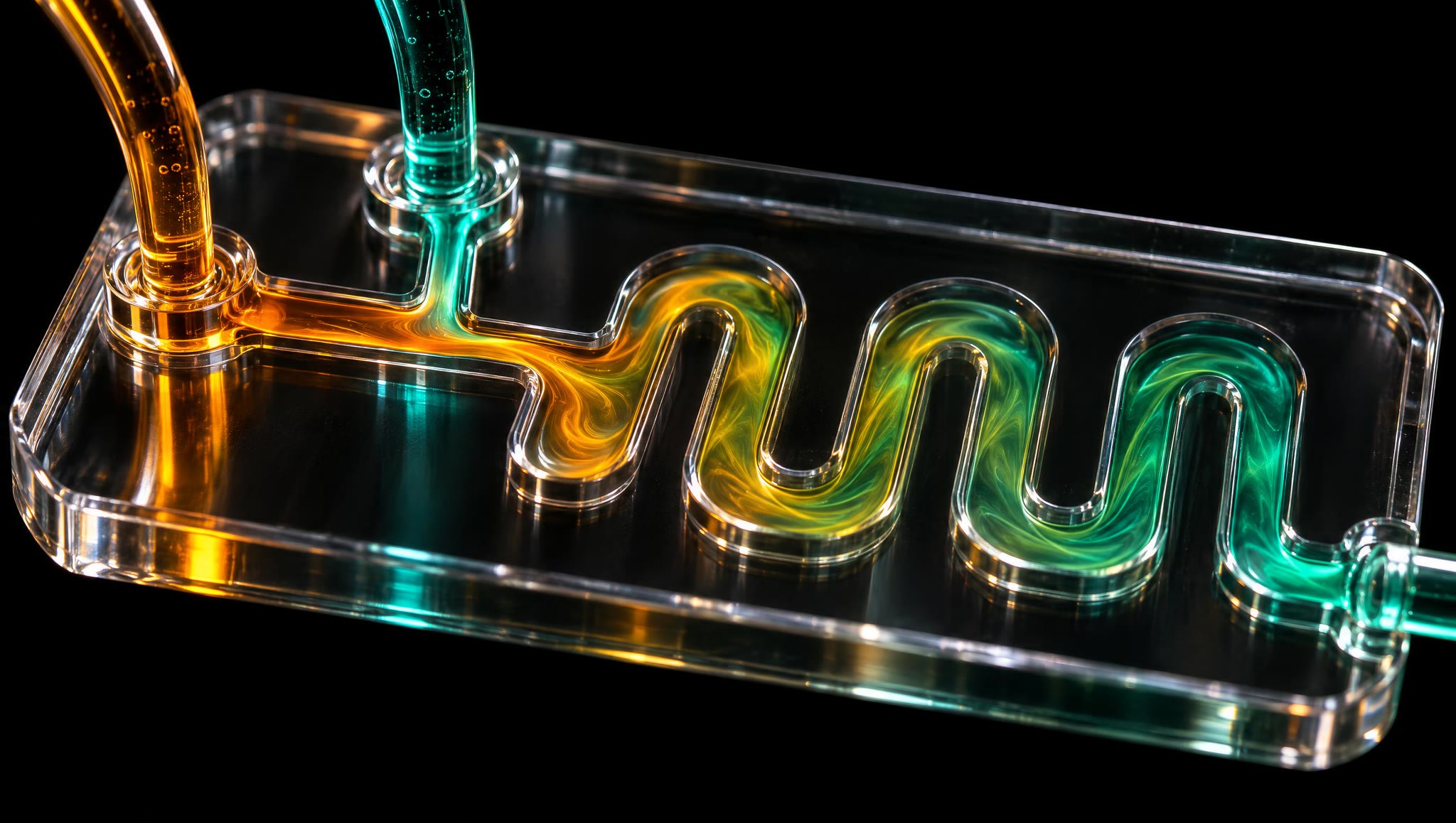
Rapid mixing and a short, defined residence time are matched to that lifetime.
- 03
Integrate the next step
The quench or the follow-on reaction sits directly downstream, so nothing waits in a vessel.
- 04
Map the temperature window
Screening shows how far the operating temperature can move while impurity fate stays acceptable.

Next step
Bring us the problem.
Share the chemistry, the current process and where it hurts. We will suggest a practical next step.